
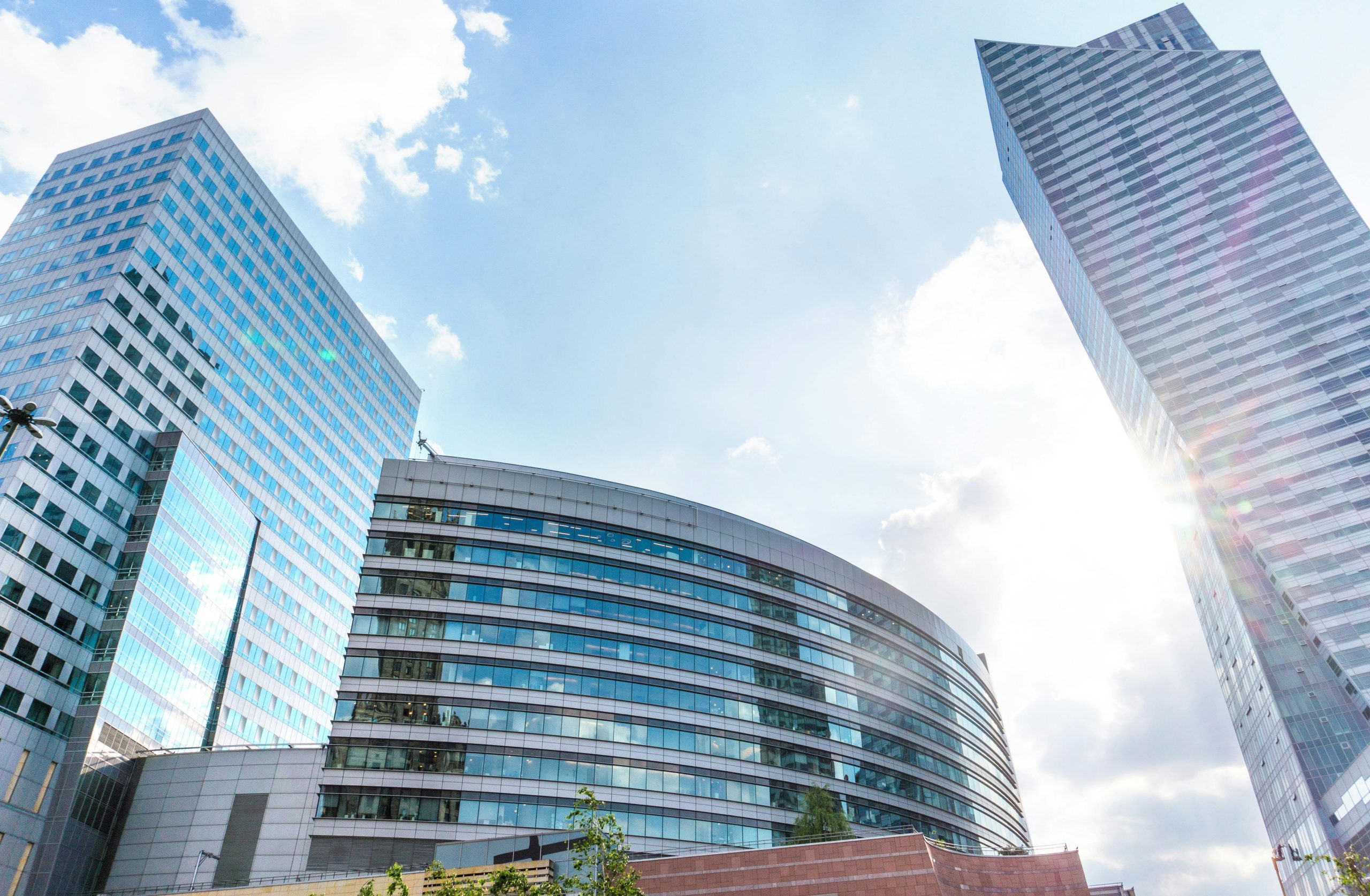
A commercial building that looks tired is more than a cosmetic issue. Peeling paint, stained carpets, slow lifts and flickering lights send a direct signal to tenants, visitors and prospective buyers that the property is not being cared for – and property value follows that perception downward. Professional building maintenance Singapore services exist to stop that slide. Done properly, it preserves asset value, keeps occupants safe, satisfies regulators under the Building Maintenance and Strata Management Act (BMSMA), and saves owners significantly more than it costs over a 10-year horizon.
Green Garden is an integrated building maintenance Singapore provider serving offices, schools, healthcare centres, industrial facilities and strata developments across Singapore. This page explains what commercial building maintenance actually covers locally, the compliance framework you need to work within, how pricing typically breaks down, and the common mistakes that cost property owners the most money.
What Building Maintenance Singapore Covers
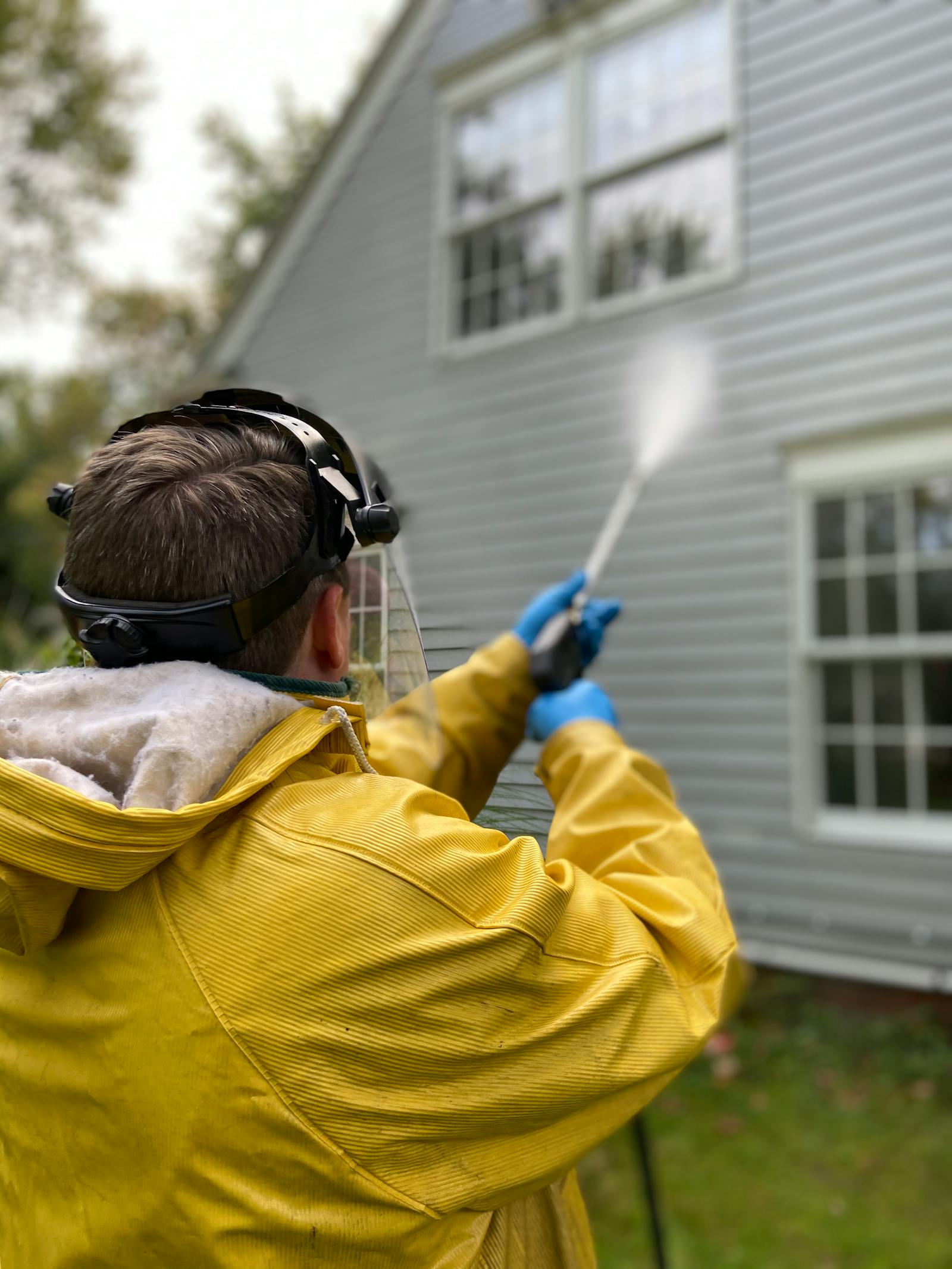
Building maintenance is an umbrella term that covers everything required to keep a commercial property operational, compliant and presentable. In Singapore the scope is usually grouped into “hard services” (the physical building and its systems) and “soft services” (the occupied environment and its daily upkeep).
Hard services typically include mechanical and electrical (M&E) works, air-conditioning and mechanical ventilation (ACMV), plumbing and sanitary, fire protection systems, lift and escalator servicing, structural repair, waterproofing, roof maintenance and facade cleaning. Soft services cover daily professional cleaning, waste management, pest control, landscape and greenery upkeep, security manning and concierge. A good integrated provider handles both under a single contract so that faults are not bounced between vendors.
Regulatory Framework: BMSMA, BCA and SCDF
Any commercial building operator in Singapore works under three primary regulatory touchpoints. The Building Maintenance and Strata Management Act 2004 (BMSMA) governs strata-titled developments, management corporation duties, sinking funds and dispute resolution. The Building and Construction Authority (BCA) enforces structural and facade inspection regimes – notably the Periodic Facade Inspection (PFI) every seven years for buildings 13m or taller and 20+ years old, and Periodic Structural Inspection (PSI) every five or ten years depending on building category.
The Singapore Civil Defence Force (SCDF) enforces the Fire Safety Act, requiring annual Fire Certificate (FSC) renewal for specified premises, plus scheduled servicing of fire alarm panels, sprinklers, hose reels and emergency lighting. Missing a PFI or FSC renewal is not a paperwork issue – it is a prosecution risk. A competent maintenance partner tracks your compliance calendar and programmes works to align with it.
Core Services You Should Expect From a Provider
A reputable building maintenance Singapore company should handle the following scope without needing to sub-contract out:
- Air-conditioning and mechanical ventilation – chemical wash, coil cleaning, refrigerant top-up, ACMV audits
- Electrical and M&E – DB board inspection, earthing, emergency lighting, power-quality logging
- Plumbing and sanitary – leak detection, pipe re-sealing, pump and booster servicing, drainage clearing
- Fire protection – sprinkler testing, hose reel flushing, fire alarm panel calibration, extinguisher recharge
- Structural and waterproofing – crack injection, roof re-waterproofing, expansion joint resealing, spalling concrete repair
- Painting and facade – interior repaint, external facade touch-up, gondola-based high-rise cleaning
- Cleaning and housekeeping – daily common-area cleaning, glass and high-level cleaning, carpet shampoo, pantry hygiene
- Landscape and greenery – compulsory National Parks Board (NParks) tree inspection, turf upkeep, vertical green wall servicing
- Pest control – NEA-licensed rodent, termite and mosquito programmes (see our pest control services)
- Minor A&A and handyman – partition repair, door furniture, ceiling tile replacement, signage mounting
Climate Challenges Specific to Singapore
Maintenance programmes designed for temperate climates fail quickly in Singapore. Year-round humidity above 80 per cent accelerates mould growth on gypsum and soft furnishings, corrodes electrical contacts, and degrades rubber seals. Intense UV plus frequent heavy rain breaks down external sealants faster than manufacturer-stated service life. Sustained heat drives 24/7 ACMV load, which means chiller plants and AHUs wear at roughly 1.3x the rate of similar equipment in cooler markets.
A Singapore-tuned maintenance plan therefore prioritises humidity control (dehumidification, proper insulation, mould-resistant paint specifications), more frequent external sealant checks, and a proactive ACMV servicing cadence – typically quarterly chemical cleaning of coils rather than the six-monthly interval used abroad.
Preventive vs Reactive Maintenance: The Cost Math
The biggest single budget leak in Singapore commercial properties is a reactive-only maintenance posture. Industry data consistently shows that every dollar spent on scheduled preventive maintenance saves between three and five dollars in emergency repair, unplanned downtime and accelerated equipment replacement. A chiller that receives quarterly service typically lasts 20 years; the same unit on breakdown-only maintenance rarely sees 12.
A good contract therefore looks like 70 per cent preventive (scheduled, measurable, reported) and 30 per cent reactive (ad-hoc fault response, with a service-level guaranteed response time). Flat fixed-fee contracts without scheduled work are a red flag – they incentivise the vendor to do the minimum.
How Much Does Building Maintenance Cost in Singapore?
Commercial building maintenance Singapore pricing is driven by three variables: floor area under management (GFA), scope of hard vs soft services included, and compliance risk profile (strata vs single-owner, age of building, installed M&E complexity).
As broad guidance for 2026 rates, owners should expect the following indicative ranges:
- Soft-services-only contract (daily cleaning, waste, landscaping): S$1.20 – S$2.50 per sq ft per month
- Integrated hard + soft services for a typical Grade B commercial office: S$2.50 – S$4.50 per sq ft per month
- Premium / Grade A with smart BMS and full FM reporting: S$4.50 – S$7.00 per sq ft per month
- Ad-hoc call-outs (outside contract): S$120 – S$350 per visit plus materials
These numbers are directional – a formal quote depends on a site survey. Be cautious of any provider that issues a fixed quote without first walking the building and reviewing the asset register.
Choosing the Right Building Maintenance Singapore Partner
Five criteria separate a long-term partner from a vendor you will replace within 18 months:
- Licensing and accreditations – bizSAFE Level 3 or Star, ISO 9001 and ISO 45001, NEA cleaning licence for soft-services scope, and BCA-registered workhead where M&E works are involved
- In-house technical team – check how much of the technical scope is actually performed by direct employees vs sub-contracted; high sub-contracting ratios mean slower response and diluted accountability
- Compliance calendar management – a professional FM partner tracks your PFI, PSI, FSC, NParks, NEA and MOM deadlines and programmes works ahead of them
- Transparent reporting – monthly KPI reports with photo evidence, defect logs, energy consumption data and budget variance
- Emergency response SLA – 24/7 hotline with contractual response time commitments, not best-effort
Ask for three references from buildings of comparable size and age, and actually call them. The property management industry in Singapore is small – any vendor reputation can be verified inside a week.
Common Property-Owner Mistakes That Cost the Most Money
Three mistakes account for the majority of avoidable maintenance overruns we see in Singapore commercial properties:
- Delaying waterproofing works. A S$15,000 roof re-waterproofing deferred for two monsoon seasons frequently becomes a S$90,000 water-damaged ceiling, carpet and electronics claim. Waterproofing is not optional and has a predictable life span.
- Ignoring minor facade defects. Hairline cracks and spalling concrete identified during a PFI inspection escalate rapidly in Singapore climate. Owners who schedule repairs within the report window typically spend one-third of what it costs to do the same work after the next inspection cycle flags the defect as “serious”.
- Cutting ACMV servicing to save short-term cost. Skipping quarterly coil cleaning reduces chiller efficiency by roughly 15 per cent per year of neglect. Over a five-year contract cycle this silently costs more in electricity than a full servicing contract would have cost outright.
Sustainability and Green Mark Certification
The BCA Green Mark scheme rewards buildings that hit defined performance thresholds for energy, water, indoor air quality and sustainable operations. Maintenance programmes directly affect Green Mark scoring – a Gold-rated building that lets its ACMV efficiency drift will lose its rating on re-certification. Modern maintenance providers integrate energy and water sub-metering, IoT sensor data and predictive maintenance scheduling into their reporting, giving property owners a defensible Green Mark submission rather than a scramble at the five-year mark.
If sustainability is a stated target for your property, ensure your maintenance contract explicitly includes energy consumption reporting and sets reduction KPIs. It is the single lowest-cost lever on your OPEX, and adjacent services like commercial rooftop gardens can further lift Green Mark scoring on heat-island and biodiversity criteria.
Integrated Facility Management vs Single-Trade Contracts
Smaller buildings sometimes run a patchwork of single-trade contracts – one vendor for cleaning, another for ACMV, a third for pest control. This works up to roughly 30,000 sq ft. Beyond that, the co-ordination overhead starts outweighing any price advantage: faults get bounced between vendors, compliance deadlines get missed, and the property manager becomes a full-time scheduler.
An integrated facility management (IFM) contract consolidates everything under one accountable provider with a single point of contact, one monthly report, and one invoice. For most Grade B and above commercial properties in Singapore, IFM is the lower total-cost model once indirect management time is priced in.
Why Property Owners in Singapore Choose Green Garden
Green Garden combines over 30 years of grounds-up experience across professional cleaning, landscaping, pest control and M&E maintenance into a single integrated service. Our technical crews are directly employed, bizSAFE and NEA-certified, and operate 24/7 across the island. Clients span office towers, light industrial facilities, private schools, healthcare campuses and strata-managed condominiums.
Every contract we take includes a compliance calendar built around your BMSMA, BCA, SCDF, NEA and NParks deadlines, monthly KPI reporting with photographic evidence, and a guaranteed four-hour emergency response SLA within the main island. We also handle specialist adjacent services – tree cutting and pruning, vertical green walls, rooftop gardens – that most pure-play FM firms have to sub-contract.
Frequently Asked Questions
Is building maintenance Singapore regulated by law?
Yes. Strata-titled commercial and residential developments fall under the Building Maintenance and Strata Management Act 2004 (BMSMA). All buildings of qualifying height and age are subject to BCA Periodic Facade Inspection (every 7 years) and Periodic Structural Inspection (every 5 or 10 years). Specified premises must maintain a valid SCDF Fire Certificate. Non-compliance is prosecutable.
What is the difference between facility management and building maintenance?
Facility management (FM) is the broader discipline covering strategy, budgeting, space planning, vendor management and occupant experience. Building maintenance is one component of FM – specifically the physical upkeep of the asset and its systems. A full FM contract typically includes building maintenance plus reporting, compliance management and tenant liaison.
How often should a commercial building in Singapore be serviced?
Daily for cleaning and waste, weekly for landscaping and pest monitoring, monthly for minor M&E inspection, quarterly for ACMV chemical cleaning and fire system testing, and annually for deep works such as facade inspection, fire certificate renewal, and BMS calibration. The exact cadence depends on building use and age.
Can one contractor really handle both soft and hard services?
Yes – provided they have the licensing and in-house team depth. Integrated providers with direct employees across both service streams deliver faster fault resolution and clearer accountability than the multi-vendor model for any building above roughly 30,000 sq ft of GFA.
What happens if I delay a required BCA inspection?
BCA can issue a notice of contravention carrying fines, and for serious defects can order rectification at the owner cost. Insurance cover may be affected where a property is found to be non-compliant at the time of a claim. The cost of staying current is always lower than the cost of enforcement action.
Is preventive maintenance really worth the extra cost over reactive repair?
Industry data consistently shows a 3x to 5x return on preventive spend versus reactive-only programmes, driven by longer equipment life, lower emergency repair rates and avoided downtime. For chillers, lifts and fire systems – the three highest-cost assets in most commercial buildings – the return is typically at the top of that range.
How quickly should a maintenance provider respond to an emergency?
Contractual emergency response in Singapore for an integrated provider should be four hours or less to anywhere on the main island, with critical faults (power loss, water ingress, fire system failure) prioritised to two hours or less. Anything looser than this is not an emergency SLA.
Get a Free Building Maintenance Assessment
If your commercial property is approaching a compliance deadline, noticing recurring M&E faults, or simply costing more to run than it should, a structured site assessment is the first step. Green Garden provides a no-obligation walk-through and written scope-and-pricing proposal for commercial properties across Singapore. Contact us to arrange yours.