
Which pests you can beat yourself, which ones will beat you – and what treatment really costs in Singapore.
This is the guide to home pest control Singapore homeowners keep asking us for: which pests you can genuinely handle yourself, which ones will beat you every time, what treatments actually cost, and how the playbook changes between an HDB flat, a condo and a landed house. After 40 years running pest, landscaping and cleaning operations across Singapore homes, we have seen every mistake on this list – including the expensive ones. Here is what actually works.
Home pest control in Singapore means managing six main intruders: cockroaches, ants, mosquitoes, termites, rodents and bed bugs. A proper programme combines three layers – prevention (sealing, sanitation, drainage), monitoring (traps, inspections) and treatment (baiting, residual sprays, fogging or heat). One-off treatments knock down a visible problem; ongoing programmes stop the rebound that almost always follows in our tropical climate.
The distinction matters because most disappointed homeowners bought the wrong layer. A single cockroach spray cannot fix a breeding population inside a rubbish chute, and no amount of prevention will remove an established termite colony. Match the tool to the problem and most pest issues become boring and manageable – which is exactly what you want.

Use this matrix before you spend a dollar. It tells you the early signs, the DIY that genuinely works, and the point where calling a professional stops being optional.
| Pest | Early signs at home | DIY that works | Call a professional when |
|---|---|---|---|
| Cockroaches | Droppings like coffee grounds near the sink, egg cases behind appliances | Gel baits along skirting, sealing gaps around pipes, dry sink overnight | You see roaches in daylight - that signals a large nest, often the German cockroach, which gel alone rarely clears |
| Ants | Trails along window sills and kitchen tops | Bait stations on the trail (not spray - spray scatters the colony), wiping trails with vinegar | Carpenter ants appear near timber, or trails return within days of baiting |
| Mosquitoes | Bites indoors at dawn and dusk, wrigglers in any standing water | The NEA Mozzie Wipeout routine: tip, cover and change all standing water weekly; screens on windows | Breeding is outside your control - roof gutters, neighbouring units or garden drains - and bites persist |
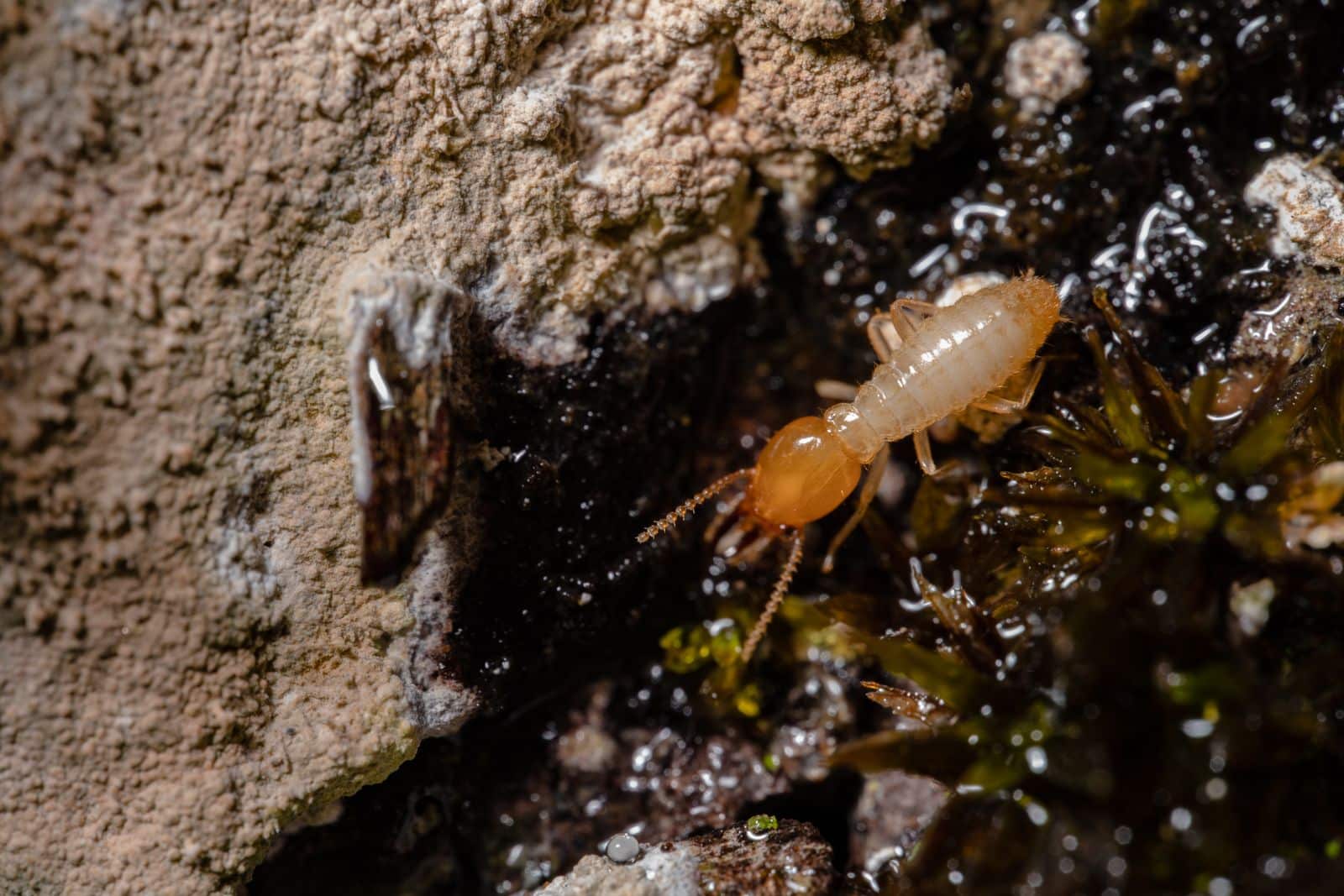
| Termites | Mud tubes on walls, hollow-sounding timber, discarded wings after rain | Honestly, none that works. Do not spray mud tubes - it splits the colony and makes treatment harder | At the first mud tube or wing pile. Every week of delay extends the damage |
| Rodents | Droppings along walls, gnaw marks on wiring, scratching in the ceiling at night | Snap traps against the wall, storing food in hard containers, sealing gaps larger than a thumb | Activity continues after two weeks of trapping, or you hear them inside walls or ceiling voids |
| Bed bugs | Ink-dot stains on the mattress seam, itchy bites in a line | Hot-wash bedding at 60 degrees, vacuum seams, encase the mattress | Bites continue after a week - bed bugs hide in skirting and furniture joints where DIY cannot reach |
The pattern worth noticing: cockroaches, ants and mosquitoes reward disciplined DIY. Termites, rodents inside the structure, and bed bugs almost never do. That single distinction will save you more money than any product recommendation.

HDB pest control succeeds or fails on one fact: your flat shares infrastructure with dozens of neighbours. The rubbish chute, common corridor and service risers are the highways pests travel, which is why a spotless kitchen can still get cockroaches from three floors down.
Condo pest control adds a coordination layer most owners discover too late: the MCST already engages a pest contractor for common areas, and their schedule affects what happens inside your unit. Before booking anything, ask your managing agent two questions – what is covered, and when is the next fogging cycle.
A landed house faces every pest a flat does, plus three exposures flats never see: soil contact, a garden, and a roof void. That combination is why landed properties dominate the serious cases we attend.

Pest pressure in Singapore is not constant through the year, and timing your prevention to the calendar beats reacting after the surge.
DIY pest control has a real place in a Singapore home – if you spend on the right things. The honest split, from decades of seeing what homeowners tried before calling us:
Worth your money:
Mostly wasted money: aerosol sprays (kill the scout, miss the nest), ultrasonic repellers (no credible evidence they work), mothballs and pandan leaves as general repellents, and bug zappers (attract more insects to the area than they kill, and barely touch mosquitoes).
Three problems end the DIY conversation immediately, and knowing them saves weeks of wasted effort. Termite colonies cannot be reached by anything sold retail – the colony lives in soil or deep timber, and surface sprays make professional treatment harder by scattering it. German cockroach infestations breed faster than consumer baits suppress them once they are established inside appliances and wall voids. And bed bugs survive everything except systematic heat or residual treatment of every crack in the room; partial DIY treatment just spreads them to the next room. For these three, the cheapest option genuinely is professional treatment at the first sign.

Home pest control in Singapore typically starts from $80 per visit for an HDB unit and runs to $2,500 for full termite treatment, depending on the pest and property. These are our published indicative ranges – the same ones on our pest control Singapore service page – and final pricing always follows a free on-site inspection:
| Service | Indicative range |
|---|---|
| General pest control (home) | from $120 - $250 per visit |
| Rodent control | from $180 - $450 depending on severity |
| Termite control | from $800 - $2,500 based on treatment method |
| Mosquito control | from $150 - $300 per session |
By property type: HDB programmes start from $80 per unit, condominium and EC units from $120, and landed properties from $180 per visit – the landed premium reflects perimeter and garden work flats do not need. What moves the price is severity, property size and treatment frequency, not the postcode.
One budgeting rule we stand behind: a quarterly prevention programme costs less over a year than two emergency infestations. Prevention is not the premium option – it is the cheap one.
Any company treating pests in Singapore must be licensed by NEA as a vector control operator, and its technicians must be registered vector control workers – this is a legal requirement under the Control of Vectors and Pesticides Act, not a badge of honour. Verify a licence before signing anything; the NEA pest control page explains the licensing framework and lists what registered operators are accountable for.
Beyond the licence, five questions separate good providers from cheap ones:
Red flags worth walking away from: pressure to sign a long contract before any inspection, no physical Singapore address, and quotes dramatically below everyone else – chemicals and trained labour have a real cost floor.
When you find a pest problem, run this sequence:
Prevention still beats both options. Seal the gaps, dry the water, manage the waste – and pair pest work with landscaping choices that deter pests naturally if you have outdoor space, because the garden is either your first defence line or your biggest breeding site.
Quarterly treatment is the standard for most Singapore homes, because the tropical climate lets pest populations rebound year-round. Landed properties and homes with prior termite or rodent history do better on a bi-monthly cycle; a well-sealed high-floor flat with no history can stretch to twice a year plus vigilant prevention.
Yes, when done properly. NEA-approved products applied by registered technicians at label rates are designed for occupied homes. Tell the technician about children, pets and anyone with asthma before treatment – method and product choice change accordingly, and gel baits plus targeted residuals can replace any general spraying.
Check the tenancy agreement first, because it decides. The common Singapore arrangement: the landlord handles pre-existing infestations and structural issues (termites, rats in walls), while the tenant handles infestations arising from daily living after moving in – many agreements draw that line within the first month of the lease.
For common areas, yes – corridors, void decks, rubbish chutes and drains are the town council’s scope, and reporting matters because chute treatments only work estate-wide. Inside your flat is your own responsibility, so the effective approach is both at once: report the common-area source, treat your unit.
Clear access to skirting, under-sink cabinets and appliance backs; store food, utensils and pet bowls away from treatment zones; and plan for children and pets to be out during application plus the re-entry window your technician specifies (typically 2-4 hours for standard residual treatments). Good preparation is the difference between a partial knockdown and a treatment that actually holds.
NEA officers inspect premises in active dengue cluster areas for mosquito breeding – checking plant saucers, gully traps, toilet cisterns and any standing water. They are legally empowered to enter, and breeding found on your premises can mean a fine. The practical response: run the weekly tip-and-drain routine so an inspection is a non-event.
For gel baiting and trap placement, yes – there is nothing to avoid. For residual spraying or fogging, vacate treated rooms during application and ventilate for the re-entry period your technician states. Sensitive occupants – infants, pregnant women, asthmatics – should stay out for the full window.
A one-off treatment fits a single, identified problem with a clear source – one wasp nest, one rodent entry point. Recurring pests are a source problem, and packages exist because the source usually cannot be removed in one visit: the chute keeps feeding roaches, the garden keeps breeding mosquitoes. Pick based on whether the cause is removable, not on the discount.
About Green Garden: an integrated facilities management specialist serving Singapore homes and businesses since 1985 – pest control, landscaping, tree works and cleaning under one roof, with NEA-licensed vector control operations. Questions about a pest problem at home? Call our operations line at +65 8986 1500 or visit our mosquito control and termite control pages for pest-specific detail.
Send us a photo. Our NEA-licensed team will identify it and tell you honestly whether you need us at all.